Colors Studio is a unique music platform. From its inception, their aim was to spotlight niche new artists from around the world. It wasn’t a case of making them completely mainstream, but introducing them to a completely new audience. For these reasons, a new artist appearing on Colors often resulted in their careers being catapulted. The most recent example is infectious hit John Cena by South African rapper, Sho Madjozi. Since its release in August, its amassed over 4.4million views on YouTube and changed Madjozi’s career path ‘“People in Tanzania and Kenya started liking it, Then people in Europe and the U.S too.”
The digital era has brought a proliferation of content. It seems that almost everyone has a platform. In most ways it isn’t a bad thing – it’s brought diversity to a previously mono-ethnic industry and allowed previously parked and ignored conversation to finally be had. However, it’s meant that platforms are engaging in this cold content war, battling to produce the most content with the highest engagement. We’ve seen this in the frankly unnecessary proliferation of streaming services for movies and television shows. Whether its Netflix, Amazon Prime, Disney Plus or Hulu.
Colors’ minimalist aesthetic is a powerful part of their branding. All videos feature the artist, a lavalier microphone and a coloured background. Colors strip back all additional elements so that the artist and their art is front and centre. All Colors, all genres and no distractions.
Recently VEVO introduced their own version of live sessions. They’ve had well-known artists from an array of genres: from Burna Boy to SiR To Lil Tjay. But there have been stark similarities between VEVO’s live sessions and Colors signature look.
Spot the difference:
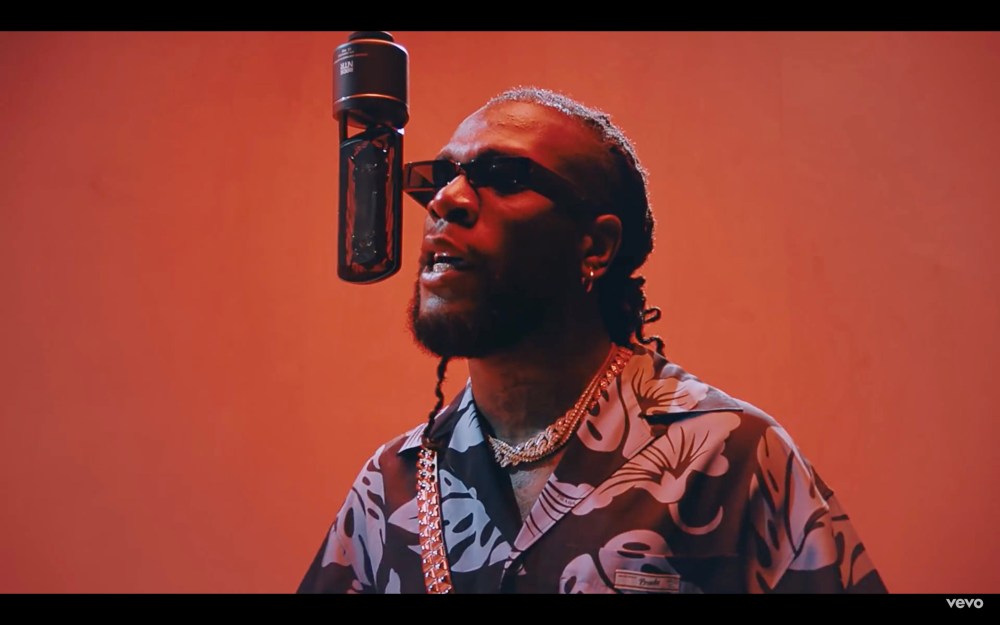
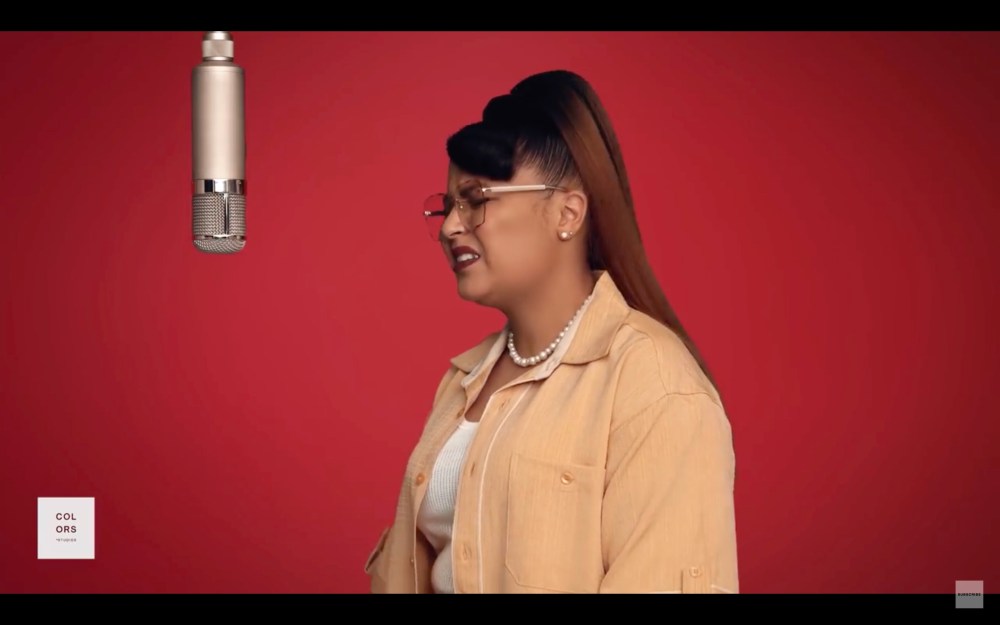
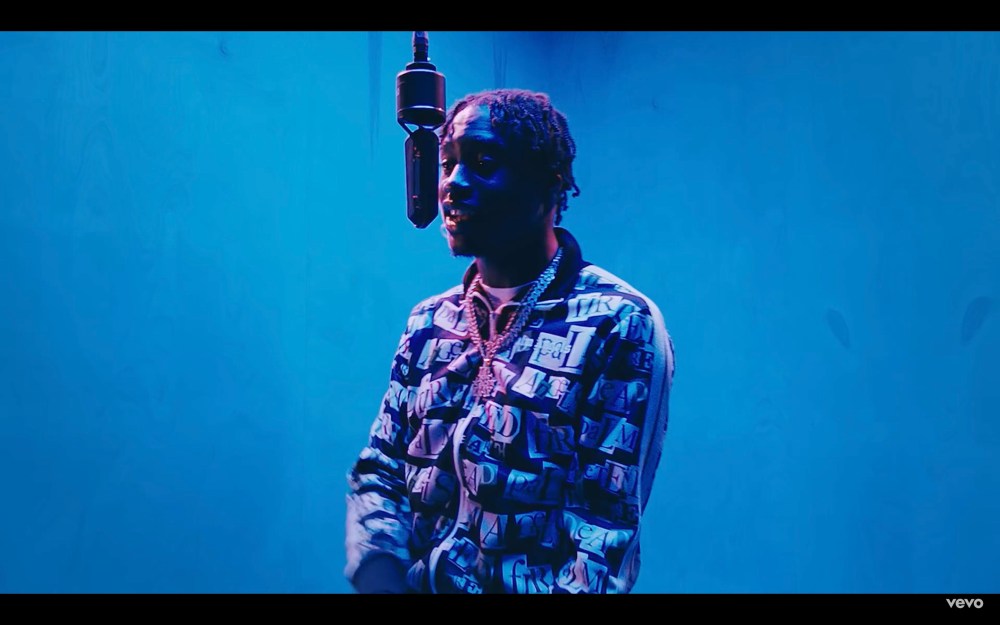
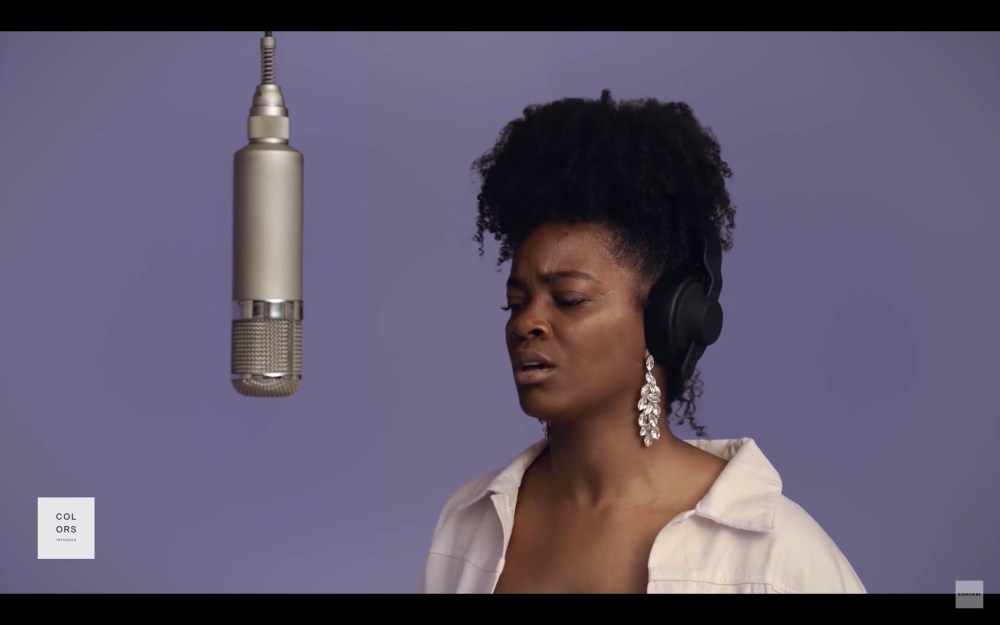
Although distasteful, Vevo’s branding plagiarism is not uncommon. It’s evidence of the wider issue of copying within the creative industry. Larger platforms can copy smaller platforms purely because they have the audience and scope. Whether it’s larger influencers stealing from smaller ones or fashion-fashion corporations stealing from smaller designers, plagiarism is rampant within the creative industry.
Despite the obvious mimicking, Colors still stands out. Vevo Ctrl only features larger mainstream artists whereas Colors is a platform which is dedicated to uncovering new artists from around the world. Colors has amassed a cult-like audience who come to them for this reason and it was this same audience who noticed the copying. Though the corporate bootlegging from Vevo seems like another loss for smaller creatives – it’s not. The fact that fans noticed the plagiarism, called it out and continue to support colours, is a win in itself.
 AkachiPriscilla